


Understanding the psychological triggers that drive gambling addiction
The Nature of Gambling Addiction
Gambling addiction is a complex psychological disorder characterized by the compulsive urge to gamble despite the negative consequences. This behavior often stems from various psychological triggers, including emotional distress, escapism, and even thrill-seeking. Individuals may initially engage in gambling as a form of entertainment or social interaction, but over time, it can morph into a compulsive behavior that disrupts daily functioning and relationships. For those looking for resources about this issue, you can visit https://mythoswincasino.org/ to learn more about responsible gambling practices.
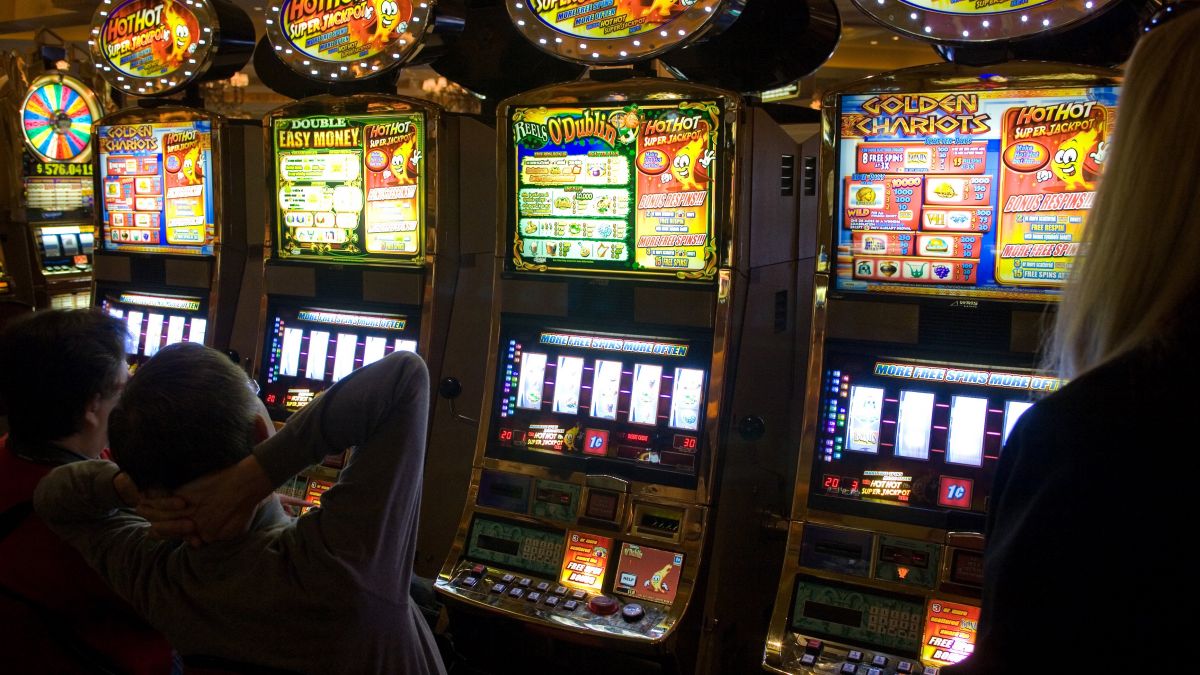
Many gamblers experience a rush of excitement when placing bets or hitting the jackpot, which can lead to an increased desire to gamble. This thrill can create a feedback loop, where the anticipation and the potential for winnings override rational decision-making. The intermittent reinforcement of winning—where wins come sporadically—creates a powerful psychological pull that can make it difficult for individuals to resist the temptation to gamble again.
Moreover, gambling addiction can be exacerbated by co-occurring mental health issues, such as depression and anxiety. Many individuals may use gambling as a coping mechanism to escape from their problems. Understanding the interplay between gambling addiction and these psychological triggers is crucial in addressing the root causes of this destructive behavior.
One primary psychological trigger of gambling addiction is the desire for financial relief. Many individuals believe that a significant win could solve their financial problems, leading them to gamble excessively. This belief can create a sense of urgency, pushing gamblers to place larger bets in hopes of achieving quick financial stability. Unfortunately, this often leads to deeper financial woes, creating a vicious cycle. MythosWin aims to shine a light on these misconceptions.
Another critical trigger is social pressure and the influence of peers. In environments where gambling is normalized—such as casinos, sports events, or social gatherings—individuals may feel compelled to participate. The need for acceptance can override personal reservations about gambling, and this can escalate into addiction. Those surrounded by friends or family who gamble may find it hard to resist the urge to join in, leading to impulsive behavior.
Lastly, the role of cognitive distortions cannot be understated. Many gamblers develop erroneous beliefs about their gambling skills or the likelihood of winning. They may convince themselves that they can outsmart the odds or predict outcomes, leading to overconfidence and compulsive gambling. This skewed perception of reality significantly impacts their decision-making, often resulting in severe financial and emotional consequences.
Environmental factors also play a significant role in exacerbating gambling addiction. Accessibility to gambling venues, such as casinos or online platforms, makes it easier for individuals to engage in gambling behavior. The convenience of online gambling, with its 24/7 availability, can trap individuals in a cycle of compulsive betting, often leading to escalated losses.
Advertising and marketing tactics used by gambling establishments can further entice individuals, making gambling seem glamorous and exciting. Flashy advertisements and promotions create an illusion that gambling is a ticket to wealth and happiness, drawing individuals in with the promise of quick riches. This can particularly affect vulnerable populations, who may be more susceptible to such messaging.
Additionally, economic factors also influence gambling behavior. In times of economic hardship, individuals may be more likely to turn to gambling as a desperate attempt to regain financial control. This can lead to an increase in gambling activities, especially among those who are already at risk. Understanding these environmental triggers is essential for developing effective interventions aimed at reducing gambling addiction.
Support systems are crucial in combating gambling addiction. Family and friends can play a pivotal role in recognizing the signs of addiction and providing the necessary emotional support. Open communication about the risks associated with gambling can help individuals reflect on their behavior and seek help if needed. Interventions from loved ones can serve as a wake-up call and encourage those affected to reconsider their gambling habits.
Professional help, such as counseling and support groups, is also vital for individuals struggling with gambling addiction. Therapists trained in addiction psychology can offer coping strategies and tools to deal with underlying emotional triggers. Support groups provide a community of understanding and shared experiences, which can foster recovery and accountability. Programs like Gamblers Anonymous create safe spaces where individuals can discuss their struggles without judgment.
Furthermore, educating oneself about the psychological aspects of gambling addiction can empower individuals to take control of their behaviors. Awareness of the triggers and the potential for addiction can motivate individuals to seek help before their gambling becomes uncontrollable. A proactive approach can pave the way for recovery and a healthier relationship with gambling.
MythosWin and Your Path to Understanding
MythosWin is dedicated to helping individuals navigate the complexities of gambling addiction and its psychological triggers. Through informative resources and community support, we aim to demystify common misconceptions surrounding gambling behaviors. Understanding the psychological underpinnings of addiction can lead to more effective strategies for prevention and recovery.
Our platform serves as an educational resource for those affected by gambling addiction, offering insights into the psychological triggers that fuel this behavior. By fostering awareness and understanding, we hope to empower individuals to make informed decisions about gambling. We believe that knowledge is a powerful tool in combating the stigma and challenges associated with gambling addiction.
Through MythosWin, we encourage individuals to engage in open discussions about gambling, its risks, and the psychological factors involved. Together, we can build a supportive community that prioritizes mental health and encourages responsible gambling. Join us in understanding and addressing the psychological triggers of gambling addiction to pave the way for healthier choices and relationships with gambling.